All Categories
Featured
Table of Contents
Clear communication early on can make a huge difference.
Deal with your contractor to outline all the work that needs to be done for each area. List out what tasks are vital and which are on your "dream list." These are products you can jeopardize on if you need to make sacrifices to remain within your timeline or budget.
That typically indicates call for updates and routine website sees (if you aren't residing in your home throughout remodellings). Site gos to are lengthy and can be challenging to schedule, and phone updates can cause miscommunications. Instead, lean on a Matterport digital twin to document all the major stages of your construct to track continuous work.

Your 2026 Renovation Project Checklist
You can capture your living space at the framing phase and then again after the fit-out to tape and check updates. To keep your home restoration task on track, work with your group to develop a timeline for each phase of the process. That method, it's easier to line up on expectations and avoid prospective hold-ups.
The real time frame will vary significantly based on the scope of remodellings, so do your research study and rely on insights from your designers and contractors. If your project requires planning permission, that decision alone can take a couple of months (812 weeks is common for local authorities). Here are a couple of strategies you can use that will help you create and keep a sensible timeline for your remodeling job: Break the task into phases: Appoint sensible durations to each phase (e.g., demolition, structural work, finishes) and consist of buffer time for unforeseen issues.
Set milestone dates for approvals: Account for authorizations, assessments, and specialist sign-offs; do not assume immediate approvals. Choose products early: Ordering long-lead items like cabinets, home appliances, or custom components early prevents hold-ups. Schedule subcontractors strategically: Avoid overlapping trades and idle downtime by collaborating schedules. Track dependencies: Know which jobs count on the completion of others to keep development smooth.
How to Save On Your Home RenovationModern Home Exterior Trends for 2026
Supply a shared paperwork center: A Matterport digital twin allows all stakeholders to access layouts, annotations, and updates in one location. Carry out regular progress check-ins: Schedule reviews at turning point stages to assess progress and change as required. Include contingency time: Consider weather, change demands, or unanticipated structural problems by adding on 1015% extra time.
By focusing on these strategies, you develop a useful, flexible roadmap that keeps your task on track while decreasing surprises and delays. If you're all set to progress with your own home renovation task, do not forget among the most crucial products on your list: Guarantee you have the right tools to make the procedure simpler.
- Picture your area: In the preparation stages, you can use a digital twin of your home to picture brand-new style choices, room configurations, or layouts. With a few clicks, you can defurnish and overlay different designs over your digital twin so you can see what your home will look like in genuine time.
Analyze your space and plan in context: it's simple to toggle back and forth in between 2D and 3D views of your space in a digital twin, total with space labels, precise room measurements, and wall sections. 3. Team up seamlessly with your restoration team: Specialists, designers, house owners, and other stakeholders can work within the digital twin, making it a single source of fact for your job.
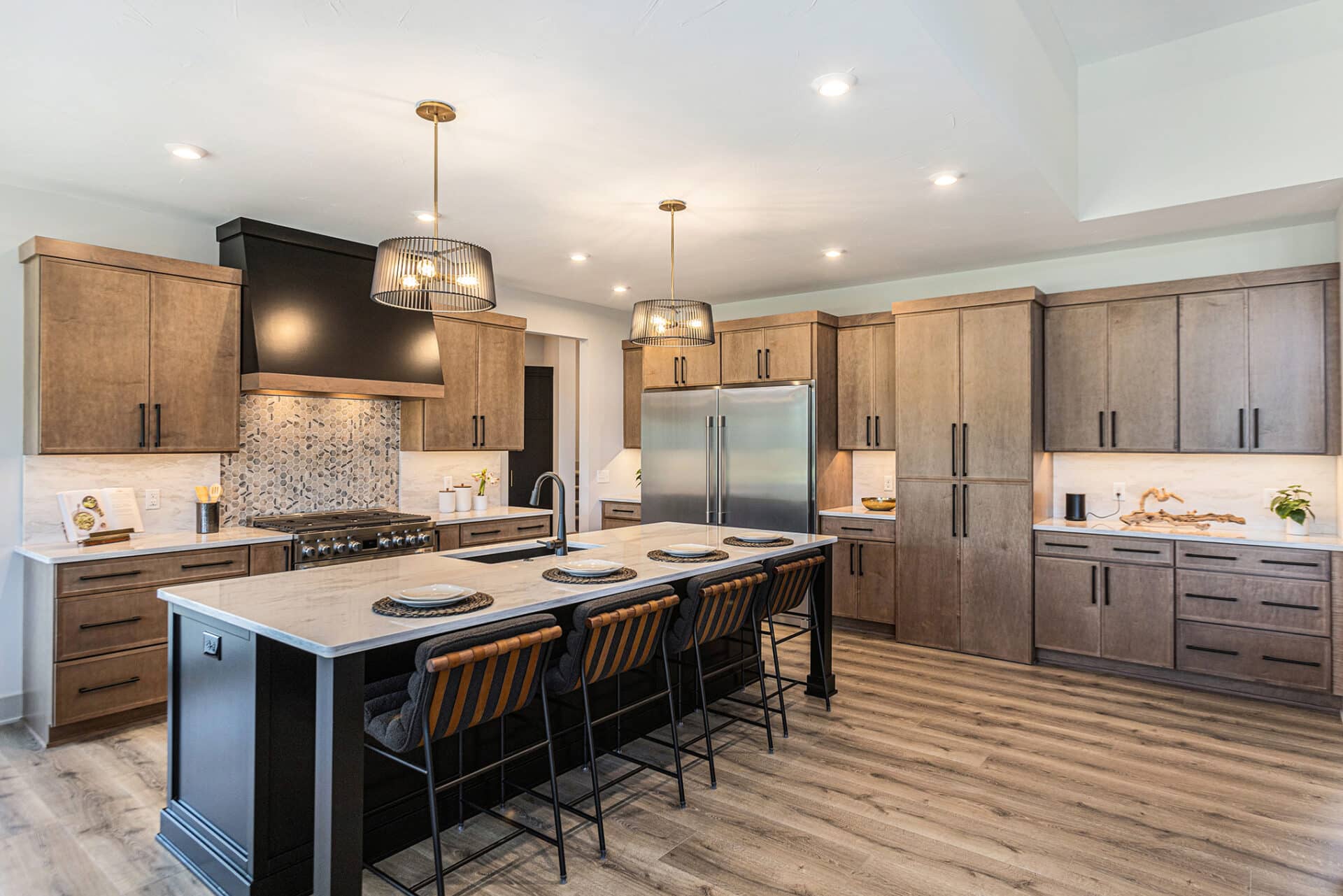
Modern Home HVAC Systems for 2026
File phases and track progress: Capture photos at each phase of your renovation to keep an eye on progress compared to the original state. This minimizes the need for lengthy website gos to and helps keep your project on track. 5.
Is the idea of your outdated restroom tile or tired cooking area cabinets enough to make you wince? You're not alone! Lots of property owners imagine transforming their living areas. However wanting a remodel and being prepared for one are 2 different things. At Wensmann Professionals, we believe that insight and meticulous planning are the keys to a successful, trouble-free home improvement task.

Latest Posts
Proven Value-Added Home Improvements for Better ROI
Evaluating Classic and Modern Design Styles
Why You Should Hire a Reliable Remodeling Contractor